"Creatine is one of the most well-researched and safest supplements available today." — JISSN
Introduction
If you’ve ever stepped into the world of fitness, sports nutrition, or muscle building, chances are you’ve heard of creatine. But while it’s one of the most researched and widely used supplements in the world, many people still have questions—about its safety, effectiveness, and even some myths. If you’re considering adding creatine to your supplement stack, this article is your go-to guide.
Table of Contents
What is creatine?
Is creatine safe?
- What does creatine do?
Does creatine cause hair loss?
Which creatine is best?
When to take creatine?
How to take creatine?
How much creatine per day?
- Conclusion
What is Creatine?
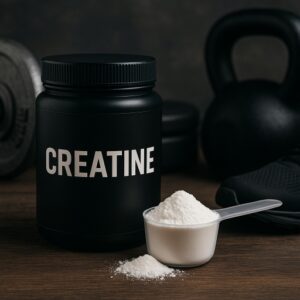
Creatine is a naturally occurring compound found in muscle cells. It helps your muscle produce energy during high-intensity workouts, like lifting or sprinting. About 95% of the body’s creatine is stored in muscles in the form of phosphocreatine, which assists in the regeneration of ATP (adenosine triphosphate)—your body’s primary energy molecule.
Research shows that supplementing with creatine increases phosphocreatine stores, enhancing your ability to perform better during exercise.
Source: Journal of the International Society of Sports Nutrition
(JISSN), 2017
Is Creatine Safe?
Yes, creatine is considered safe for most people when taken in appropriate doses. It’s one of the most extensively studied sports supplements in history. Decades of research show no consistent evidence of harm to healthy individuals.
In fact, a 2020 review published in the Journal of the International Society of Sports Nutrition confirms that creatine has no significant adverse effects when taken as recommended. However, those with kidney issues should consult their healthcare provider before use.
What Does Creatine Do?
Creatine enhances your body’s capacity to produce ATP, which translates into better performance in short bursts of intense activity. Here are a few key benefits:
- Increases strength and power output
Improves muscle mass over time
- Enhances exercise performance
May even support cognitive function in some populations
Creatine is especially popular among athletes, bodybuilders, and anyone looking to get more from their workouts.
Does Creatine Cause Hair Loss?
This is a commonly debated topic. The concern stems from a single 2009 study that suggested creatine might increase dihydrotestosterone (DHT) levels, a hormone linked to hair loss. However, no follow-up research has conclusively confirmed this effect, and the original study had a small sample size.
So far, there is no solid scientific evidence to directly link creatine to hair loss. But if you have a genetic predisposition to baldness, it might be worth discussing with a medical professional.
Source: Clinical Journal of Sport Medicine, 2009
Which Creatine is Best? (Forms & Types)
There are several types of creatine on the market, but Creatine Monohydrate is the gold standard. It’s the most studied, most affordable, and most effective form available.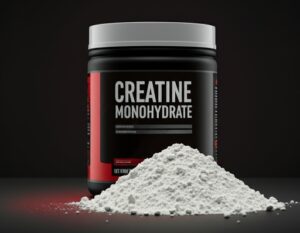
Other types include:
Creatine HCl – claims better solubility
Buffered Creatine (Kre-Alkalyn) – supposedly prevents stomach discomfort
Creatine Ethyl Ester – marketed for improved absorption but lacks consistent data
Stick with Creatine Monohydrate, especially if you’re a beginner.
Source: International Society of Sports Nutrition Position Stand
When to Take Creatine?
There’s ongoing debate about whether it’s better to take creatine before or after a workout. Some studies suggest that post-workout timing may slightly edge out in terms of muscle gain and strength.
However, what’s more important is that you take it consistently, daily. Choose a time that best fits your routine and stick with it.
Source: Journal of the International Society of Sports Nutrition, 2013
How to Take Creatine?
The most common way to take creatine is by mixing it with water or a carbohydrate-based beverage (like juice) for better absorption. Some follow a loading phase of 20g/day for 5-7 days followed by a maintenance dose of 3–5g/day, while others stick to 3–5g from the start.
If you’re new, you can skip the loading phase. You’ll still get the benefits—just a bit more slowly.
How Much Creatine Per Day?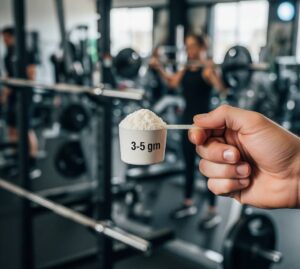
The standard dosage for maintenance is 3–5 grams per day. This amount is sufficient to saturate muscle stores over time.
During the initial loading phase (optional), you can take 20 grams per day divided into 4 servings for one week. But again, long-term adherence to the maintenance dose is key.
Too much creatine doesn’t offer extra benefits and could lead to digestive discomfort.
Conclusion: Should You Try Creatine?
Creatine is backed by science, safe for most healthy individuals, and can be a powerful ally in your fitness journey. From muscle strength and size to even potential cognitive benefits, it has a lot to offer. Choose the right type, take it consistently, and combine it with a solid workout plan—and you’ll likely see the difference.
Curious Yet?
If creatine can unlock better performance in athletes and gym-goers, could it also have untapped potential for mental performance or longevity in everyday individuals? 🤔
Let us know what you think in the comments—and stay tuned for more science-backed insights!